
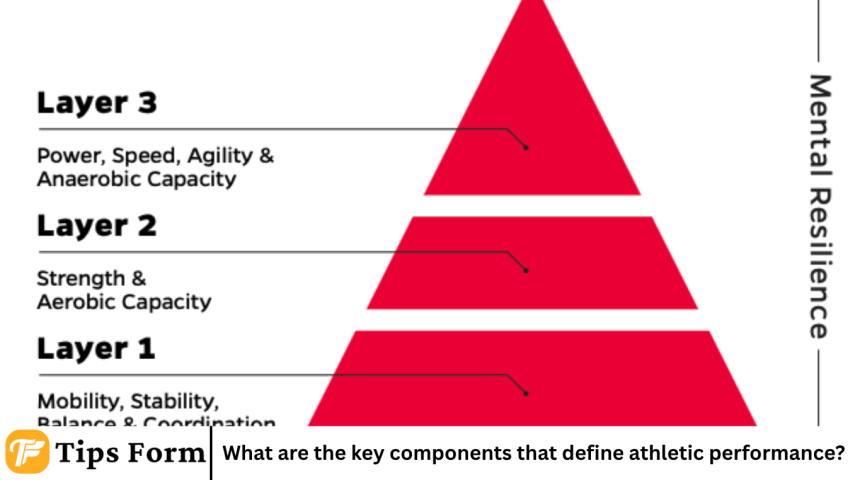
Athletic performance refers to the ability of an individual to execute specific physical tasks or sporting activities with skill, speed, strength, endurance, and precision. Whether in amateur sports or professional competition, achieving peak performance involves a complex interplay of physical, psychological, technical, and tactical elements. Understanding these core components not only helps athletes optimize their training but also assists coaches and sports scientists in developing effective strategies for improvement.
The pursuit of athletic excellence is influenced by multiple variables that contribute differently depending on the sport or event. However, there are universally recognized pillars of performance that form the foundation for all athletic success. These components include strength, power, endurance, speed, agility, coordination, flexibility, mental toughness, skill execution, and recovery. This article explores each of these elements in detail and how they interconnect to shape an athlete’s overall capability.
More Read: Clipfly Review: Craft Stunning Visual Stories Fast with AI
Physical Components of Athletic Performance
Strength
Strength is the ability of muscles to exert force against resistance. It forms the foundation for many athletic movements, such as lifting, pushing, jumping, and sprinting. There are different types of strength relevant to sports, including maximal strength (the highest amount of force a muscle can produce), relative strength (strength in relation to body weight), and muscular endurance (sustained strength over time). Strength training not only enhances performance but also reduces the risk of injuries by improving muscular balance and joint stability.
Power
Power is a combination of strength and speed. It refers to the ability to exert force rapidly. In many sports, power is a more critical attribute than raw strength. For example, in activities like long jump, shot put, or a football tackle, the ability to generate explosive power in a short burst can be the deciding factor. Power development often involves plyometric exercises and Olympic-style lifts that teach the body to recruit muscle fibers efficiently and explosively.
Endurance
Endurance is the capacity to sustain prolonged physical activity. It is divided into two categories: cardiovascular (aerobic) endurance and muscular (anaerobic) endurance. Cardiovascular endurance allows athletes to perform longer at moderate intensity levels, relying on oxygen for energy production. Muscular endurance, on the other hand, is the ability of muscles to sustain repeated contractions over time. Both types are crucial depending on the sport. A marathon runner, for example, requires exceptional aerobic endurance, while a rower may need both cardiovascular and muscular endurance.
Speed
Speed is the ability to move quickly across the ground or react rapidly to a stimulus. It is a decisive component in sports like sprinting, basketball, soccer, and hockey, where rapid acceleration and quick directional changes are critical. Speed training typically involves sprint drills, resisted running, technique refinement, and reaction-time improvement. Genetic factors play a role in speed, but it can be significantly improved with structured training and proper biomechanics.
Agility
Agility is the capacity to change direction quickly and efficiently without losing balance or control. It combines speed, coordination, and reflexes. Agility is especially important in team sports where players need to dodge opponents or reposition themselves rapidly in dynamic situations. Exercises such as cone drills, ladder drills, and reactive training improve an athlete’s ability to transition between movements with precision.
Coordination
Coordination is the harmonious functioning of muscles and limbs to produce smooth and efficient movements. It is essential for executing complex sport-specific skills like dribbling a basketball, swinging a golf club, or serving in tennis. Coordination encompasses hand-eye coordination, foot-eye coordination, and overall motor control. It is a skill developed through repetition, practice, and sport-specific drills that enhance neuromuscular efficiency.
Flexibility and Mobility
Flexibility refers to the range of motion available in a joint or group of joints. Mobility is the ability to move freely and efficiently through that range. Both are vital for optimal movement mechanics and injury prevention. Athletes with good flexibility can perform movements more fluidly and with less resistance, contributing to better performance. Regular stretching, mobility drills, and myofascial release techniques like foam rolling are effective methods for improving flexibility and mobility.
Psychological Components of Athletic Performance
Mental Toughness
Mental toughness is the psychological resilience that enables athletes to perform under pressure, stay focused, and recover from setbacks. It includes traits like confidence, concentration, motivation, and emotional control. Mental toughness is often the differentiator in elite sports where physical attributes are evenly matched. Techniques such as visualization, goal-setting, and mindfulness are employed to build mental strength and enhance performance consistency.
Focus and Concentration
Athletic performance is heavily influenced by an athlete’s ability to maintain focus during practice and competition. Concentration allows athletes to block out distractions and stay attuned to their tasks. This is particularly important in sports like gymnastics, shooting, or golf, where a momentary lapse in attention can impact outcomes. Mental training routines and cognitive drills help athletes improve their attention span and situational awareness.
Confidence
Confidence is the belief in one’s ability to succeed. It directly affects risk-taking, decision-making, and overall performance. High levels of self-confidence can lead to better execution of skills and greater willingness to perform under challenging conditions. Confidence is often built through positive reinforcement, past success, preparation, and support from coaches and teammates.
Technical and Tactical Components
Skill Proficiency
Skill proficiency refers to the ability to perform sport-specific tasks efficiently and effectively. It includes both fundamental movements and advanced techniques unique to each sport. Skill acquisition is a progressive process that begins with learning basic movements and evolves through repetition and variation. Practicing under different scenarios enhances an athlete’s ability to adapt and execute in real-game situations.
Tactical Intelligence
Tactical intelligence involves understanding strategies, game plans, and the ability to make smart decisions during play. It includes positioning, timing, spacing, and anticipating the opponent’s moves. Tactical knowledge helps athletes work more effectively within a team structure and enhances game performance. Coaches play a key role in developing an athlete’s tactical awareness through film study, scenario drills, and strategic discussions.
Recovery and Nutrition
Recovery
Recovery is the process through which the body repairs itself following physical exertion. It includes rest, sleep, nutrition, hydration, and therapeutic techniques like massage, ice baths, and stretching. Recovery is essential to prevent overtraining, promote adaptation, and ensure long-term performance sustainability. Athletes who neglect recovery often experience fatigue, burnout, and a decline in performance.
Nutrition
Nutrition fuels the body and supports training and recovery. The right balance of carbohydrates, proteins, fats, vitamins, and minerals enhances energy levels, muscle repair, and immune function. Nutrition strategies are often tailored to the specific needs of the sport, training phase, and individual metabolism. Proper hydration is also critical, as even mild dehydration can impair physical and cognitive performance.
Frequently Asked Questions
Can athletic performance be improved at any age?
Yes, athletic performance can be improved at any age with appropriate training, recovery, and lifestyle adjustments. While genetic potential plays a role, individuals can enhance strength, flexibility, endurance, and skills through consistent effort and smart programming.
What is the most important component of athletic performance?
There is no single most important component; it depends on the sport. For instance, endurance may be critical for marathon runners, while power and speed are more crucial for sprinters. A well-rounded athlete develops all major components to meet the demands of their sport.
How do genetics influence athletic performance?
Genetics influence factors such as muscle fiber type, body composition, height, and natural coordination. However, training, mindset, environment, and nutrition also play significant roles. Even genetically gifted athletes must train hard to reach their full potential.
How does sleep affect athletic performance?
Sleep is vital for muscle repair, hormone regulation, mental focus, and overall recovery. Poor sleep quality or insufficient sleep can lead to reduced strength, slower reaction times, and increased risk of injury and illness.
Is mental training as important as physical training?
Yes, mental training is equally important, especially at higher levels of competition. Athletes often face pressure, stress, and high expectations. Mental skills training enhances focus, resilience, and the ability to handle adversity.
Can overtraining harm athletic performance?
Absolutely. Overtraining can lead to fatigue, decreased performance, mood disturbances, and increased risk of injury. Balancing training with proper recovery is key to sustainable athletic improvement.
How important is diet in improving athletic performance?
Diet plays a crucial role in performance, recovery, and overall health. A well-balanced diet supports energy needs, muscle growth, immune function, and mental clarity. Personalized nutrition plans often give athletes a competitive edge.
Conclusion
Athletic performance is the culmination of various interdependent components. Physical attributes such as strength, power, speed, and endurance are the building blocks of most athletic achievements. However, they must be supported by psychological resilience, technical skill, tactical awareness, proper recovery, and nutrition. No single element functions in isolation; rather, athletic performance is a dynamic balance that requires continual refinement and adaptation.Understanding these components allows athletes, coaches, and practitioners to develop targeted programs that optimize each area. Whether training for a personal best, preparing for competition, or aiming to stay active and healthy, focusing on these key elements offers a pathway to sustained performance and long-term athletic development.