
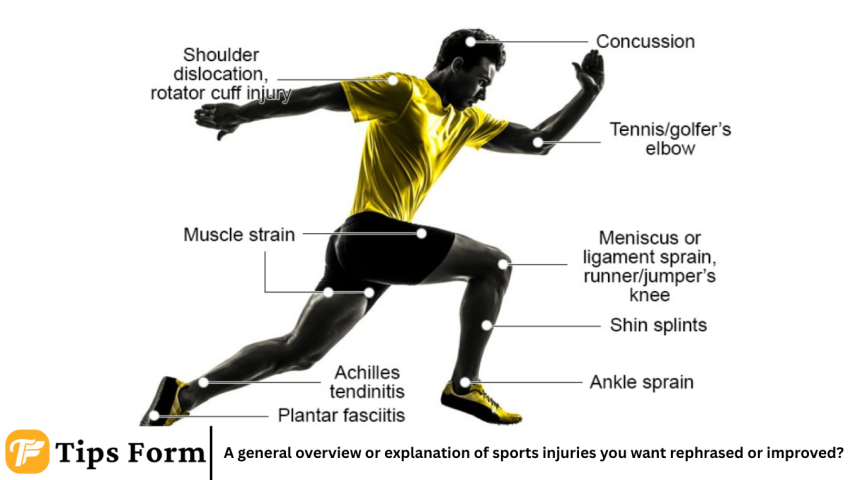
Sports injuries are a common occurrence in both amateur and professional athletics. They can happen to anyone, from seasoned athletes to beginners just starting their fitness journey. These injuries not only affect physical performance but can also impact an individual’s mental and emotional well-being. Understanding what sports injuries are, how they occur, how to treat them, and most importantly, how to prevent them, is essential for anyone involved in physical activity.
More Read: What are the key components that define athletic performance?
What Are Sports Injuries?
Sports injuries refer to various types of injuries that occur during physical activities, exercises, or sports. They can range from minor bruises and sprains to more serious injuries like fractures, ligament tears, and dislocations. These injuries typically affect the musculoskeletal system, which includes bones, muscles, tendons, ligaments, and other connective tissues.
The nature and severity of sports injuries can vary greatly depending on the sport, the athlete’s condition, and the circumstances in which the injury occurs. Acute injuries occur suddenly and are often the result of a traumatic event, such as a fall or collision. Chronic injuries, on the other hand, develop over time due to repetitive stress or overuse of certain body parts.
Common Types of Sports Injuries
Understanding the different types of sports injuries is critical to identifying them early and managing them appropriately. Some of the most common include:
Sprains and Strains
Sprains involve stretching or tearing of ligaments, while strains affect muscles or tendons. These injuries often result from twisting, falling, or overextending a joint.
Fractures
A fracture refers to a broken bone. Sports-related fractures often occur due to high-impact contact or repeated stress, especially in activities like football, gymnastics, or running.
Dislocations
A dislocation happens when the bones in a joint become displaced or misaligned. This injury is most common in shoulders, elbows, and fingers and typically results from falls or collisions.
Tendonitis
This is the inflammation of a tendon and is usually caused by repetitive motion. It’s common in sports involving throwing or jumping, such as baseball or basketball.
Bursitis
Bursitis is inflammation of the bursae, which are fluid-filled sacs that reduce friction between tissues. Repeated stress or prolonged pressure can cause this condition.
Concussions
Concussions are a type of traumatic brain injury resulting from a blow to the head. Common in contact sports like football and hockey, concussions require immediate medical attention.
Shin Splints
Shin splints are a common overuse injury causing pain along the shinbone. They are especially prevalent among runners and athletes who frequently jump.
ACL Injuries
The anterior cruciate ligament (ACL) in the knee is commonly torn during sports that involve sudden stops and changes in direction, such as soccer or basketball.
Rotator Cuff Injuries
These injuries involve the muscles and tendons surrounding the shoulder joint and are frequent among swimmers, tennis players, and baseball pitchers.
Causes of Sports Injuries
Sports injuries occur for a variety of reasons. Identifying these causes is crucial in reducing the risk of injury. Common causes include:
- Poor training practices
- Improper equipment use or lack of protective gear
- Inadequate warm-up or cool-down routines
- Overtraining or insufficient rest
- Lack of flexibility or strength
- Poor technique or form
- Accidents or collisions during play
Each sport carries its own risk factors, and awareness of these can help athletes take preventive measures.
Prevention of Sports Injuries
Preventing sports injuries is more effective and less costly than treating them. Athletes, coaches, and trainers can take numerous steps to minimize risk. These include:
- Engaging in proper warm-up and cool-down exercises to prepare muscles for activity
- Using appropriate gear, including footwear, helmets, pads, and braces
- Learning and practicing proper techniques for each sport
- Allowing adequate rest and recovery between training sessions
- Building strength and flexibility through regular exercise
- Staying hydrated and maintaining proper nutrition
- Listening to the body and avoiding overtraining or playing through pain
Prevention programs often include education on body mechanics, conditioning routines, and specific drills designed to reduce the incidence of injury.
Diagnosis and Treatment
When a sports injury occurs, timely diagnosis and treatment are essential. Some injuries can be managed with basic first aid, while others require professional medical intervention.
Diagnosis
A proper diagnosis usually involves a combination of a physical examination, medical history, and imaging tests like X-rays, MRIs, or CT scans. Sports medicine specialists are trained to assess and treat such injuries accurately.
Treatment Options
The treatment of sports injuries depends on their type and severity. Common approaches include:
- Rest, Ice, Compression, and Elevation (RICE) for minor injuries
- Physical therapy to restore strength and mobility
- Medication to manage pain and inflammation
- Surgery in severe cases, such as torn ligaments or complex fractures
- Immobilization with braces, casts, or splints
- Rehabilitation programs to support full recovery
Recovery time can vary significantly. While minor sprains may heal in a week or two, major injuries like ACL tears could require months of rehab.
Rehabilitation and Recovery
Rehabilitation plays a crucial role in returning athletes to their sport safely. The goal is to restore full function, strength, and mobility while preventing re-injury.
A well-structured rehabilitation program typically involves:
- Gradual progression from rest to light activity
- Targeted exercises to regain range of motion
- Strength training to rebuild muscle and joint stability
- Balance and coordination drills
- Sport-specific activities before returning to competition
Adhering to a rehab plan is critical, and rushing the process can lead to complications or chronic issues.
Psychological Impact of Sports Injuries
The emotional and mental toll of a sports injury should not be underestimated. Athletes may experience frustration, depression, or anxiety during recovery. The sudden halt in physical activity, isolation from teammates, and fear of not returning to form can weigh heavily.
Psychological support, including counseling or working with a sports psychologist, can help athletes cope and stay motivated. Mental resilience, goal setting, and staying connected with teammates can also make a positive difference in the recovery journey.
Frequently Asked Question
What is the most common sports injury?
The most common sports injuries are sprains and strains, particularly in the ankles and knees. These often result from sudden movements or improper landings.
How can I tell if my sports injury is serious?
Signs of a serious injury include intense pain, swelling, inability to move the joint or limb, deformity, and persistent symptoms. In such cases, immediate medical attention is advised.
How long does it take to recover from a sports injury?
Recovery time varies based on the injury type and severity. Minor injuries may heal in a few days or weeks, while more serious conditions can take several months.
Should I exercise with a sports injury?
It is important to rest and avoid activities that could worsen the injury. Follow your healthcare provider’s advice before returning to any form of physical activity.
What are the signs of overtraining?
Common signs include fatigue, decreased performance, persistent soreness, insomnia, irritability, and frequent injuries. Balancing training with rest is essential.
Can stretching help prevent sports injuries?
Yes, regular stretching improves flexibility and joint mobility, reducing the risk of strains and other soft-tissue injuries.
When should I see a doctor for a sports injury?
Seek medical attention if the injury causes severe pain, swelling, numbness, or if you cannot bear weight on the affected limb. Also, consult a doctor if the condition does not improve within a few days.
Conclusion
Sports injuries are an unfortunate but common part of physical activity and athletic competition. While they can sometimes be unpredictable, many are preventable through proper training, equipment use, and injury awareness. When injuries do occur, early diagnosis, effective treatment, and a structured rehabilitation program are vital for a full and safe recovery.