
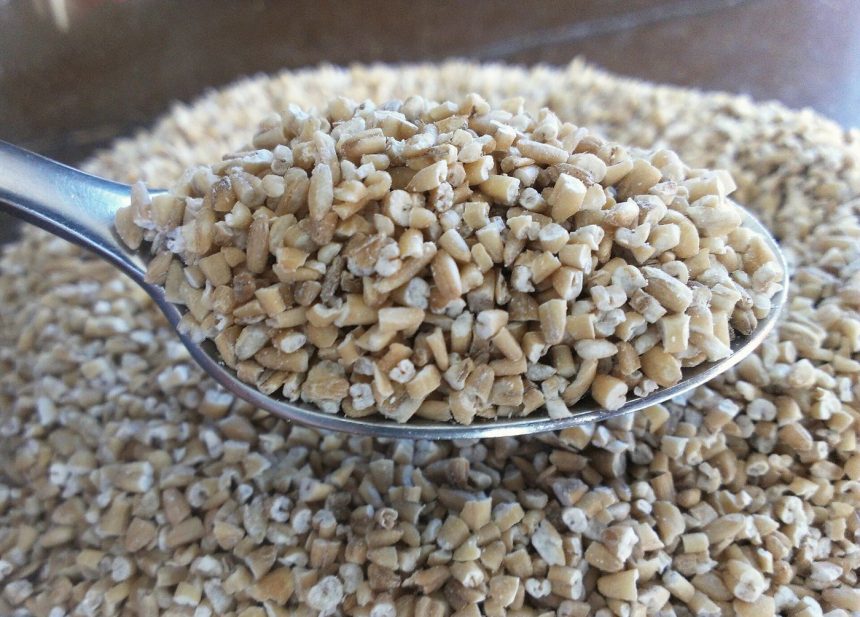
Most adults eat far too little fibre, and dietitians say it is one of the simplest gaps in the modern diet to fix. Fibre is the part of plant foods that the body cannot digest, and it feeds the gut bacteria, keeps digestion moving, helps control blood sugar and lowers cholesterol. Health services generally recommend around 30 grams a day for adults, yet surveys in Britain and the United States consistently find that most people manage only around two-thirds of that, and many far less. The shortfall is easy to explain: white bread, white rice and processed foods have had much of their fibre stripped away, while the foods that contain the most, beans, lentils, oats, whole grains, vegetables, fruit and nuts, appear less often on plates. It is a quiet deficiency, because low fibre rarely causes obvious symptoms until it contributes to constipation, weight gain or bowel problems.
What the Evidence Shows
Raising fibre intake does not require a new diet, only a few swaps. Choosing wholemeal bread, oats or wholegrain cereal for breakfast, adding beans or lentils to soups and stews, keeping the skin on potatoes, and snacking on fruit and nuts instead of biscuits can add several grams a day without much effort. It helps to increase intake gradually and drink enough water, because a sudden jump can cause bloating and wind while the gut adjusts. Dietitians also point out that fibre works as part of a pattern: the same foods that are rich in fibre tend to be rich in vitamins, minerals and plant compounds, and they keep people fuller for longer, which helps with weight control. There is no need for expensive supplements or powders. A few everyday changes, kept up over months, do more than any short-lived health kick. Reporting and analysis from sources such as National Institutes of Health track the same developments, and specialists following eating more fibre say the direction is now consistent across independent lines of evidence.
The Wider Context
The wider context is a health system trying to move from treating illness late to preventing it early, against budgets that reward the opposite. Evidence around eating more fibre is being weighed by guideline committees that ask two questions in order: does it work, and can ordinary services actually deliver it at scale. Many good ideas pass the first test and stall on the second.
What Happens Next
What happens next for eating more fibre depends on the slow machinery of guidelines, funding and training catching up with the evidence. Patients asking about it today should expect honest answers that include uncertainty, and clinicians say a service that explains what is not yet known earns more trust than one that oversells. The research pipeline, at least, is moving in the right direction. You can follow related developments in our coverage of health.
None of this will be settled by a single announcement, study or product launch. The pattern to watch is accumulation: independent confirmations, honest reporting of failures and steady improvement in the underlying numbers. Readers who follow those signals, rather than the loudest claim of the week, will understand this subject better than most of the commentary surrounding it suggests is possible.