
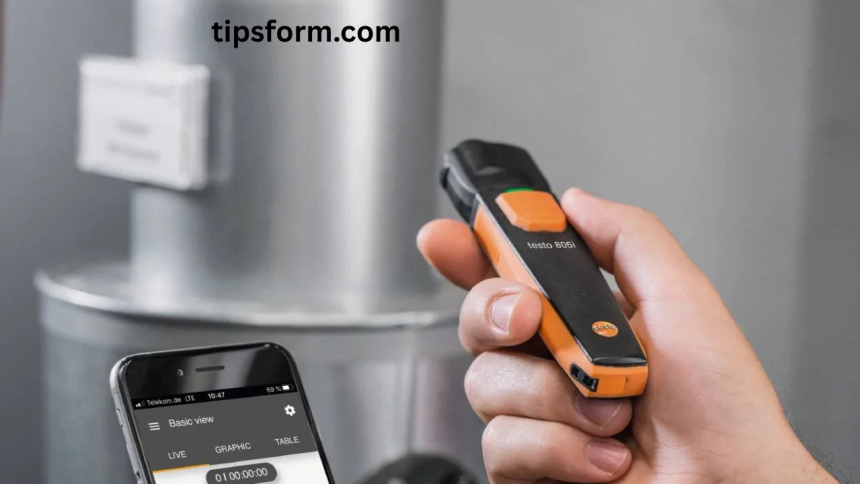
In recent years, the idea of a smart home has transformed from a futuristic concept to a mainstream necessity. From intelligent lighting systems and automated thermostats to voice assistants and security cameras, smart technology has changed the way people interact with their living spaces. This wave of innovation has introduced tools that are not only convenient but also essential for modern living.
Among these tools is the infrared thermometer—a device often associated with medical or industrial settings, but increasingly becoming an important part of everyday households. With its ability to measure surface temperatures without any physical contact, the infrared thermometer brings both safety and practicality to the table.
This article explores why the infrared thermometer is more than just a handy gadget; it’s a smart home essential. From temperature monitoring and energy efficiency to safety and maintenance, the uses are surprisingly diverse. By understanding the role this device can play, homeowners can gain better control over their environment, improve safety, and enhance comfort.
Understanding Infrared Thermometers
An infrared thermometer measures temperature from a distance by detecting the infrared radiation emitted by an object. Every object emits some level of infrared radiation based on its temperature, and these devices are designed to interpret that radiation and convert it into a readable temperature display.
There are several types of infrared thermometers, including handheld models for surface readings, forehead thermometers for medical use, and smart versions that can be connected to a home automation system. Their applications are broad, making them versatile tools in both residential and commercial settings.
The key advantage of infrared thermometers lies in their ability to measure temperature safely, quickly, and accurately without any physical contact. This functionality is especially useful in a home setting where hygiene, speed, and convenience are critical.
Why Every Smart Home Needs an Infrared Thermometer
Non-Contact Convenience
One of the defining features of an infrared thermometer is its non-contact operation. In smart homes where hygiene and automation are prioritized, being able to measure temperature from a distance offers a significant advantage. Whether checking the surface of a hot stove, a child’s forehead, or a suspiciously warm circuit board, users can get accurate readings instantly without touching the object.
This is particularly beneficial in households with children, elderly family members, or people with compromised immune systems. A contact-free device minimizes the risk of cross-contamination and offers peace of mind.
Energy Efficiency and HVAC Monitoring
Smart homes often emphasize energy efficiency, and an infrared thermometer plays a valuable role in monitoring heating, ventilation, and air conditioning systems. It can be used to identify temperature inconsistencies in ducts, vents, and rooms. If certain areas are cooler or warmer than they should be, it could indicate insulation problems, air leaks, or malfunctioning HVAC components.
With this information, homeowners can adjust thermostats, seal drafts, or schedule maintenance—actions that save money on energy bills and ensure the home remains comfortable year-round.
Appliance Maintenance and Safety
Appliances such as ovens, stovetops, radiators, and even smart refrigerators can sometimes malfunction due to overheating or uneven temperature distribution. By routinely using an infrared thermometer, homeowners can spot issues before they escalate into serious problems.
For example, measuring the heat distribution on a stovetop can help ensure even cooking. Checking the motor or compressor of a refrigerator can reveal if it’s running too hot, which might shorten its lifespan or cause food spoilage. This proactive approach helps maintain efficiency and prolong the lifespan of household appliances.
Preventing Fire Hazards
Electrical panels, power strips, and overloaded outlets can pose significant fire risks when they overheat. A smart homeowner can use an infrared thermometer to periodically check the temperature of these components. Spotting an unusually hot outlet or cable early can prevent potential disasters.
This makes infrared thermometers indispensable for basic home safety checks. They serve as an early warning system, especially in homes filled with interconnected devices and electronics.
Health and Medical Applications
Infrared thermometers gained widespread popularity during global health crises, and they remain valuable for daily health monitoring. A smart version of this device can log readings, send alerts, and integrate with health tracking apps. This can be especially helpful for families, caregivers, and individuals managing chronic health conditions.
For homes equipped with smart health hubs, wearable tech, and other bio-monitoring gadgets, an infrared thermometer fits perfectly into the ecosystem, offering fast and reliable temperature checks.
How Infrared Thermometers Fit Into a Smart Ecosystem
In a smart home, devices are interconnected through central hubs or platforms like Google Home, Amazon Alexa, or Apple HomeKit. Advanced infrared thermometers can connect via Bluetooth or Wi-Fi, allowing users to access readings through mobile apps or voice commands.
Imagine this scenario: a homeowner asks their voice assistant to check the oven’s surface temperature or to verify if the heater is working effectively in the guest room. These tasks are possible when the thermometer is integrated with a smart ecosystem. Some models even include IFTTT (If This Then That) functionality, enabling automation based on specific temperature readings.
For example, if the thermometer detects that a room is below a certain temperature, it can trigger a smart heater to turn on. Or if an appliance surface exceeds safe operating temperatures, the system can send a notification or even shut the device down automatically.
Use Cases in Everyday Life
Cooking and Baking
In the kitchen, precise temperature control can be the difference between a perfectly cooked roast and an overdone one. Infrared thermometers allow cooks to check pan and grill temperatures before adding ingredients. This helps in achieving consistent results, especially with recipes that require specific surface heat.
Additionally, for smart ovens or stoves, an integrated thermometer can verify that preheating has reached the desired level. This is especially useful when cooking complex dishes or working with sensitive ingredients like chocolate or caramel.
DIY Projects and Repairs
Home improvement enthusiasts and DIYers can use infrared thermometers to identify hot or cold spots behind walls, detect drafts, and monitor curing temperatures for paints and adhesives. It’s a critical tool for tasks that require heat-sensitive materials or where temperature stability is essential.
For those who build or repair electronics, checking the surface temperature of circuit boards and components can help identify failing parts and prevent overheating.
Pet and Baby Safety
Families with infants or pets can use infrared thermometers to ensure their environments are safe. For example, checking bath water temperature, nursery conditions, or the temperature of baby formula is fast and accurate with a non-contact device. Similarly, pet owners can monitor the comfort of cages, terrariums, or dog beds to maintain a healthy environment.
Choosing the Right Infrared Thermometer for Your Smart Home
With so many models available, selecting the right infrared thermometer depends on your specific needs. Some key considerations include:
- Accuracy: Look for devices with high precision, especially for medical or HVAC use.
- Temperature Range: Ensure the range covers your intended applications.
- Smart Features: Opt for thermometers with Bluetooth or Wi-Fi connectivity, app compatibility, and cloud storage.
- Ease of Use: Simple interfaces, clear displays, and ergonomic designs make frequent use more convenient.
- Integration: Check if the device works with your existing smart home ecosystem, including voice assistants and IFTTT capabilities.
Reviews and comparisons can help identify models that offer the best value for features.
Future Trends: The Evolution of Smart Thermometry
As smart home technology continues to evolve, so too will the capabilities of infrared thermometers. Future models may incorporate artificial intelligence to recognize patterns and predict system failures before they happen. Enhanced integration with home automation systems could result in more complex routines—like adjusting humidity and air purification based on temperature readings.
In addition, we may see greater convergence between infrared thermometers and wearables, smart mirrors, and health-tracking platforms. These advances will further solidify the device’s place as a core component of the modern home.
Frequently Asked Questions
What is an infrared thermometer and how does it work?
An infrared thermometer measures surface temperature without contact by detecting infrared radiation emitted from objects or surfaces.
Why is an infrared thermometer useful in a smart home?
It enhances safety, energy efficiency, appliance maintenance, and health monitoring—all without needing to touch the object being measured.
Can an infrared thermometer be connected to smart home systems?
Yes, many models offer Bluetooth or Wi-Fi connectivity and work with apps or smart platforms like Alexa or Google Home.
Is it safe to use infrared thermometers around children and pets?
Yes, they’re non-invasive, hygienic, and ideal for checking room temperatures, bath water, and baby bottles without risk.
How accurate are infrared thermometers for home use?
Most high-quality models provide accurate readings if used correctly and calibrated according to the manufacturer’s instructions.
What household tasks can benefit from using an infrared thermometer?
Cooking, checking HVAC performance, spotting insulation issues, monitoring electronics, and health checks are all common uses.
Do infrared thermometers require any maintenance?
Minimal maintenance is required—typically battery replacement and occasional calibration to maintain accuracy.
Can infrared thermometers help prevent electrical or fire hazards?
Yes, by detecting overheating in electrical outlets, panels, or appliances before they become dangerous.
Conclusion
Infrared thermometers may seem like small, simple gadgets, but their impact in a smart home setting is anything but minor. Whether you’re concerned about safety, efficiency, comfort, or health, these devices offer precise and actionable insights.