
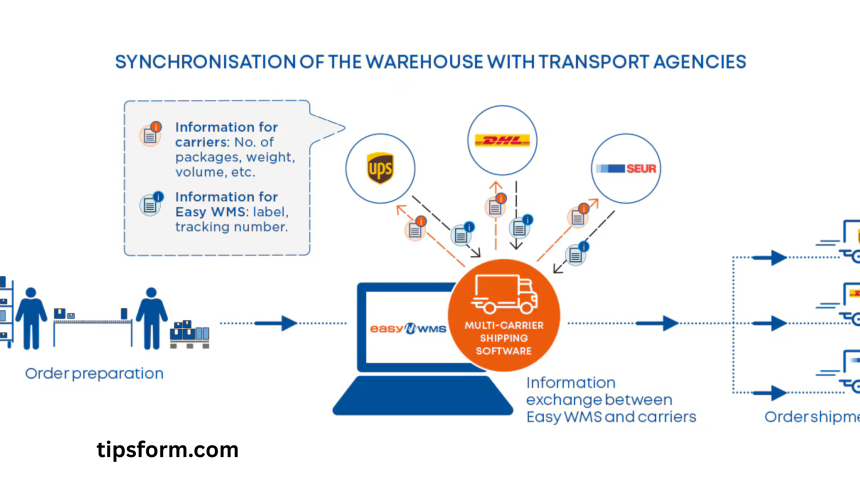
The modern world runs on online deliveries. From essential groceries to global tech gadgets, everything is just a few clicks away. As e-commerce platforms continue to grow, so does the complexity of shipping and delivery processes. One common challenge faced by consumers and businesses alike is keeping track of packages shipped via multiple carriers. Whether it’s FedEx, UPS, DHL, USPS, Amazon Logistics, or a host of regional and international delivery services, trying to monitor all your deliveries can quickly become overwhelming.
This article explores how to track packages from multiple carriers with ease. From understanding how tracking systems work to discovering the best apps and tools available today, this comprehensive guide provides practical advice and insights for individuals and businesses seeking better shipping visibility.
The Challenge of Multi-Carrier Shipping
The Problem
Imagine you’ve ordered from five different online stores in a single week. One is shipping through FedEx, another via USPS, two from international sources using DHL and Aramex, and one with a local delivery service. Now you have five tracking numbers, each requiring you to visit a separate website, navigate different user interfaces, and check for delivery updates manually. That’s a lot of effort for something that should be simple.
This fragmented tracking experience is not just inefficient—it can lead to missed deliveries, lost packages, and unnecessary stress.
Why It Matters
Multi-carrier tracking isn’t just a convenience. It’s a key component of customer satisfaction, especially for businesses. Timely updates reduce inquiries and complaints, improve transparency, and allow proactive communication. For individuals, it simplifies shopping and reduces the chances of missed or stolen deliveries.
How Package Tracking Works
Before we dive into solutions, it helps to understand how package tracking actually functions across different shipping networks.
The Tracking Code
Every shipment is assigned a unique tracking number, generated once a package is registered in the system. This number serves as a digital fingerprint for your package, allowing systems to log updates as it moves through the delivery process.
Barcode Scanning
Packages are scanned at each point in the shipping journey—from the warehouse to the distribution hub to the local post office and finally your doorstep. Each scan updates the tracking system and provides the customer with real-time status updates.
Status Terms
Tracking statuses can vary, but common ones include:
- Label Created: The shipment has been scheduled but not yet picked up.
- In Transit: The package is moving through the shipping network.
- Out for Delivery: The package is on its final leg and should arrive soon.
- Delivered: The package has arrived at its destination.
With different carriers using different phrasing, multi-carrier tracking apps help standardize these terms for user clarity.
Best Tools to Track Packages from Multiple Carriers
Let’s look at some of the most efficient and user-friendly tools that help consolidate multi-carrier package tracking into one place.
ParcelTrack
ParcelTrack is a popular app that allows users to monitor shipments from major carriers worldwide. It automatically recognizes the shipping provider based on the tracking number format. It also provides push notifications, delivery forecasts, and even a parcel inbox for auto-importing shipments from your email.
AfterShip
AfterShip is a robust tracking platform ideal for both consumers and businesses. It supports over 900 carriers globally and offers real-time tracking, branded tracking pages for businesses, and integrations with Shopify, Magento, and WooCommerce.
17TRACK
17TRACK is known for its ability to track parcels from over 1,500 carriers. It’s especially powerful for international shipping and cross-border logistics. The platform also supports multi-language notifications, customs updates, and consolidated reporting for e-commerce sellers.
Route
Route is focused on consumers and offers visual tracking with a map interface. It provides delivery protection, one-click claim filing, and order consolidation. It’s particularly popular with millennials and Gen Z shoppers who value convenience and user-friendly design.
Shop (by Shopify)
Shop is a consumer app that pulls order tracking data from Gmail and automatically updates shipment status from supported carriers. It features real-time tracking, eco-friendly delivery estimates, and product discovery features.
Other Noteworthy Tools
- ParcelsApp: Clean interface, supports email imports, great for global tracking.
- Deliveries: Apple-centric app, integrates with iCloud and Siri.
- Track24: Strong coverage for postal services and logistics companies worldwide.
Benefits of Using a Multi-Carrier Tracking Tool
One Dashboard, Many Deliveries
Instead of juggling multiple tabs and bookmarks, you get a single view of all your packages. You can see what’s arriving today, what’s delayed, and what’s still in transit—all in one glance.
Real-Time Notifications
No more refreshing tracking websites. Most apps provide push notifications or email alerts when a package status changes.
Reduced Missed Deliveries
With better tracking, you can plan your day around expected deliveries and even intercept packages if necessary.
E-commerce Integration
For sellers, tracking tools help improve customer satisfaction and reduce support inquiries. Many platforms integrate with your online store to automatically update your customers with tracking info.
How Businesses Benefit from Multi-Carrier Tracking
Order Transparency
E-commerce businesses gain massive credibility when they provide reliable and up-to-date tracking. It eliminates customer anxiety and reduces the likelihood of disputes or refund claims.
Customer Experience
Branded tracking pages and proactive alerts make customers feel informed and respected. This improves brand loyalty and repeat purchases.
Operations Management
From inventory planning to customer support, knowing exactly where each parcel is enhances operational efficiency. Staff can act faster on delays and resolve shipping issues before they escalate.
Tips for Efficient Multi-Carrier Tracking
Save Tracking Numbers in One Place
Even if you’re not using an app, use a spreadsheet, note app, or email folder to store your tracking numbers until delivery.
Use Email Parsing Tools
Apps like Shop or ParcelTrack can automatically scan your emails for tracking numbers and add them to your dashboard.
Track International Shipments Proactively
Cross-border packages often change hands. Tools like 17TRACK and Track24 are excellent at tracing these transitions and updating tracking links accordingly.
Customize Notifications
Most apps allow you to adjust alerts. Set them based on location (e.g., “out for delivery”) or timing (e.g., “expected today”) to avoid unnecessary pings.
Protect High-Value Orders
Consider using Route or another app that offers package protection and easy claim filing for lost or stolen items.
Security and Privacy Considerations
Are These Tracking Apps Safe?
Most reputable tracking platforms only store tracking numbers and related metadata, not your personal information. However, it’s important to read privacy policies and understand what data is being collected.
Email Permissions
Apps like Shop require access to your email inbox to scan for tracking data. Always grant the minimum permissions needed and revoke access when no longer in use.
The Future of Package Tracking
As AI, IoT, and blockchain technologies develop, we can expect even more transparent and efficient logistics systems. Smart lockers, live GPS tracking, and automated drone delivery will likely become more common. But for now, centralized multi-carrier tracking apps offer the best solution to the current shipping complexity.
Use Case Scenarios
For Personal Use
A college student regularly orders from Amazon, eBay, and local stores. Using a tool like Shop or Route simplifies tracking, allowing them to know when to expect packages—even while managing a busy academic schedule.
For Small Business Owners
A Shopify store owner ships globally using USPS, UPS, and DHL. AfterShip provides branded tracking pages, shipment analytics, and automated notifications, reducing customer service load and increasing trust.
For Enterprise Logistics Teams
A logistics company manages thousands of parcels daily across continents. A custom integration with AfterShip’s API or similar tools helps monitor KPIs, carrier performance, and ensures SLAs are met.
Frequently Asked Questions
What is multi-carrier package tracking?
Multi-carrier tracking allows users to monitor shipments from various delivery companies (like FedEx, UPS, DHL, USPS, etc.) in a single interface instead of checking each carrier’s website separately.
Why should I use a multi-carrier tracking tool?
These tools simplify tracking by consolidating all your deliveries in one place, offering real-time updates, notifications, and even delivery forecasts—saving you time and reducing missed deliveries.
Are multi-carrier tracking apps free?
Many popular apps like 17TRACK, ParcelTrack, Shop, and Route offer free versions. Premium features may require a subscription, especially for business or bulk tracking needs.
Can these tools track international shipments?
Yes, most modern tracking apps support international shipping and even track packages through carrier handoffs (e.g., from DHL to a local post service).
How do these apps know which carrier is being used?
They use smart detection based on the format of the tracking number. Some apps also allow users to manually select the carrier if automatic detection fails.
Will I get real-time updates?
Most apps offer real-time or near real-time updates using data from the carriers. You can also enable push notifications or email alerts.
Are these tracking apps safe to use?
Reputable tracking apps respect user privacy and only use tracking numbers and metadata. Still, always read privacy policies before granting access to email or account information.
Do I have to manually enter tracking numbers?
Some apps allow you to forward shipping confirmation emails or connect your email account to auto-detect tracking numbers. Others may require manual entry.
Can I track packages from lesser-known or regional carriers?
Yes, tools like 17TRACK and AfterShip support over 900–1500 carriers worldwide, including many regional and postal services.
Conclusion
Managing multiple package deliveries doesn’t have to be a logistical nightmare. Whether you’re an everyday shopper or a business managing hundreds of orders, using a reliable multi-carrier tracking solution can dramatically streamline your experience. With one dashboard, real-time alerts, and smarter visibility, you’ll no longer need to chase tracking codes or wonder when that important delivery will arrive.