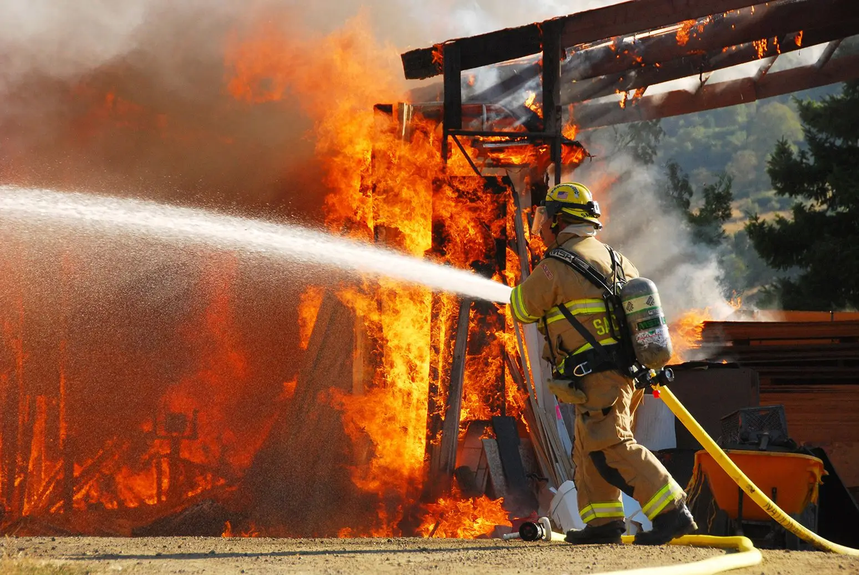
A disabled sprinkler changes the risk picture immediately. People still occupy buildings during system repairs. Contractors may continue work around exposed electrical equipment. Those conditions leave little room for missed warning signs. For a property needing 24 hour fire watch Las Vegas coverage, trained guards provide direct observation during outages. They patrol vulnerable areas, identify hazards, and initiate emergency procedures. Their presence bridges the period before permanent protection returns. That temporary safeguard becomes important during repairs, construction, and testing.
Fire Protection Gaps Create Real Exposure
Fire alarms and sprinklers serve different safety functions. When either system goes offline, detection capabilities become limited. A building may still contain ignition sources and combustibles. Construction areas can increase those hazards further. Welding, temporary wiring, and stored materials require close attention. Guards provide another layer of eyes around exposed locations.
Their duties can include:
- Guards inspect areas affected by shutdowns.
- They check routes used during evacuation.
- Guards watch equipment producing heat or sparks.
- They report unsafe storage conditions promptly.
Patrols Focus Attention Where Systems Fail
Fire watch patrols should reflect each property’s hazards. A construction site needs different checks than hotels. Guards should understand affected zones before starting their assignments. Clear patrol routes also prevent important areas being overlooked.
Consider a building undergoing sprinkler repairs overnight. A guard can notice smoke from an equipment room. Early recognition gives occupants more time to react. Emergency personnel can also receive clearer information.
Why Does Overnight Fire Watch Matter?
Fire hazards do not disappear after contractors leave. Empty corridors can hide smoke until damage becomes severe. An occupied hotel presents another concern during alarm repairs. Guests may remain unaware of disabled protection systems. Guards provide direct observation during those quieter hours.
For facilities requiring 24 hour fire watch Las Vegas coverage, overnight patrols maintain awareness when staffing drops. Guards can identify smoke, flames, unusual heat, or unsafe conditions. They can then follow established notification and evacuation procedures.
Documentation Keeps Temporary Protection Accountable
Fire watch involves more than walking around property. Accurate records show where guards conducted patrols. They also capture hazards discovered during each inspection. Managers can use those records when correcting recurring issues.
Useful records can identify:
- The time each patrol occurred.
- Areas inspected during scheduled rounds.
- Hazards discovered during individual checks.
- Actions taken after unsafe conditions appeared.
- Notifications made following emergency findings.
Such information creates a useful operational history. It also improves communication between changing shifts.
Clear Procedures Shape Emergency Response
A guard needs more than observation skills. Before deployment, property teams should explain emergency procedures. They should identify exits, contacts, restricted areas, and hazards. Guards also need information about disabled equipment.
If smoke appears during a patrol, hesitation creates risk. The guard should follow the site’s emergency plan. That may involve notifying occupants and contacting emergency services. Attempting unfamiliar firefighting actions could create additional danger.
When Can Fire Watch Coverage End?
Temporary coverage should continue until protection returns. Repairs alone do not prove a system works. Qualified personnel should verify restored alarms or sprinklers. Property managers can then confirm the outage has ended.
This final step matters for occupied buildings. Removing guards too early leaves the original gap unresolved. Restoration should therefore include functional checks and proper notifications. Human monitoring remains temporary by design, not permanent replacement.
FAQs
Can guards replace sprinkler protection?
No. Guards provide observation during temporary protection outages. Sprinklers still require proper repair, testing, and restoration.
What properties need fire watch coverage?
Construction sites, hotels, apartments, and businesses may need coverage. Specific requirements depend upon site conditions and local rules.
What should managers tell fire watch guards?
They should provide patrol boundaries, emergency contacts, and hazards. Disabled systems and evacuation procedures also require clear communication.
System Restoration Brings Automatic Protection Back
A guard walking a dark corridor can notice smoke. That moment may trigger evacuation before conditions worsen. During sprinkler repairs, such observation carries practical value. The strongest protection remains the restored system itself. Until restoration occurs, trained human attention can close the gap.