
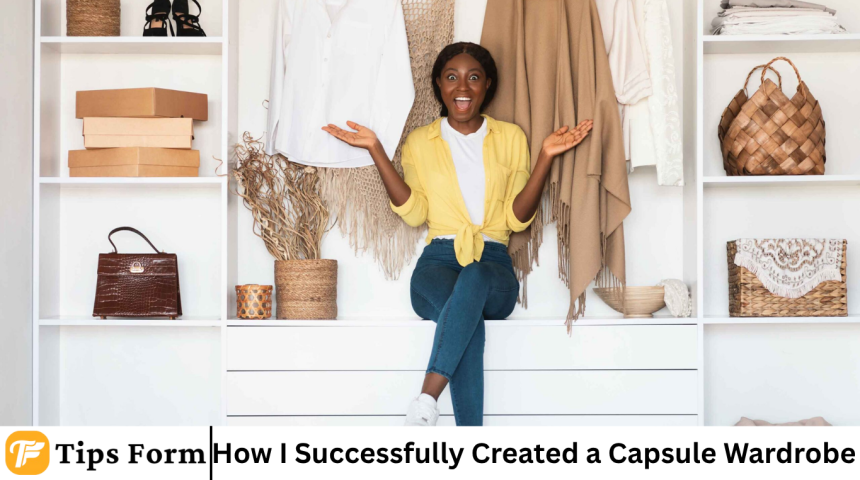
In recent years, the concept of a capsule wardrobe has gained tremendous popularity. It promises simplicity, style, and sustainability — a streamlined collection of versatile clothing pieces that mix and match effortlessly.
However, creating a capsule wardrobe isn’t just about having fewer clothes; it’s about intentionality, understanding your lifestyle, and refining your personal style. I used to struggle with a cluttered closet full of clothes I rarely wore, leading to daily outfit frustrations and wasteful spending.
Through trial, error, and careful planning, I finally made a capsule wardrobe work for me. In this article, I’ll share my step-by-step journey, practical tips, and lessons learned, so you too can build a wardrobe that works — for your life and your style.
More Read: Spring/Summer 2025: The Must-Know Trends
What Is a Capsule Wardrobe?
Before diving into my story, it’s important to understand what a capsule wardrobe really means. Coined in the 1970s by Susie Faux, a boutique owner in London, the capsule wardrobe is a curated collection of timeless clothing pieces that coordinate well with each other.
Typically, it consists of about 30 to 40 items — including tops, bottoms, dresses, outerwear, and shoes — chosen to maximize outfit combinations while minimizing clutter. The goal is to reduce decision fatigue, save money, and make dressing easier without sacrificing style.
Why I Decided to Create a Capsule Wardrobe
For years, my closet was a revolving door of clothes — impulsive buys, trends that never fit right, and outfits I kept “just in case.” I had plenty of clothes, but nothing felt cohesive or personal. Dressing was frustrating because I always felt like I had nothing to wear.
Additionally, I wanted to be more mindful of consumption and reduce my environmental impact. Fast fashion and wasteful shopping habits were weighing on me, and I needed a sustainable alternative.
The capsule wardrobe concept intrigued me because it combined style, simplicity, and sustainability in one framework. But making it work wasn’t instant — it required commitment and honest evaluation.
Assessing My Current Wardrobe
I started by taking everything out of my closet and laying it on the bed. Seeing all my clothes at once was overwhelming. I sorted them into four piles:
- Keep: Clothes I wore often and loved.
- Maybe: Items I wasn’t sure about but didn’t want to toss yet.
- Donate/Sell: Clothes in good condition but no longer suited my style.
- Recycle/Trash: Worn out or damaged clothes.
This exercise was eye-opening. I realized I had many duplicates, clothes that didn’t fit well, and items I kept out of guilt or habit. It was a tough but necessary first step to gain clarity.
Defining My Style and Needs
Next, I reflected on my lifestyle and style preferences:
- What types of activities do I dress for? (Work, casual, events)
- What colors and cuts make me feel confident?
- What fabrics and fits suit my body and climate?
I created a mood board with colors and outfit inspirations, narrowing my palette to neutrals like black, white, navy, and beige, with occasional pops of color. This helped me visualize a cohesive wardrobe rather than random pieces.
Understanding my lifestyle needs helped me prioritize versatile, comfortable, and season-appropriate items.
Setting a Capsule Wardrobe Size and Goals
I aimed for about 35 pieces, excluding underwear, workout clothes, and accessories. I wanted enough variety to avoid repetition but few enough items to keep my closet streamlined.
My goal was to:
- Simplify outfit decisions
- Save time getting dressed
- Avoid impulse buying
- Maintain a polished, personal style
This clear goal helped me stay focused and avoid temptation.
Shopping Strategically
Rather than rushing to buy new items, I first evaluated what I already owned that fit my vision. I supplemented my wardrobe by shopping mindfully:
- Investing in quality basics like a perfect white shirt, tailored blazer, and comfortable jeans.
- Choosing classic pieces over trendy items.
- Prioritizing sustainable brands and secondhand shops.
- Sticking to my color palette.
Every purchase had to “earn its place” by being versatile and durable.
Organizing the Closet for Success
I arranged my capsule wardrobe in my closet with care:
- Hanging tops and jackets by color.
- Folding sweaters and jeans neatly on shelves.
- Keeping shoes visible and accessible.
This organization made it easy to see all options, making outfit assembly quicker and more fun.
Creating Outfit Combinations
One of the best parts of a capsule wardrobe is how well pieces mix and match. I started experimenting with different pairings, taking photos of favorite outfits to reference later.
I discovered combinations I hadn’t considered before and felt more confident because every piece complemented the others.
Maintaining and Adjusting Over Time
A capsule wardrobe isn’t static — it evolves. Every season, I reassess and rotate items, adding or removing pieces based on wear, fit, and changing needs.
This ongoing maintenance keeps the wardrobe fresh and aligned with my life.
Lessons Learned
Patience is key. Building a capsule wardrobe takes time. Don’t rush; quality over quantity.
Be honest with yourself. If a piece doesn’t fit your style or body, let it go.
Flexibility matters. Allow for a few special items outside the capsule for unique occasions.
The capsule is a tool, not a rule. Adapt it to your lifestyle and preferences.
Embrace simplicity. Less really can be more when curated thoughtfully.
Why a Capsule Wardrobe Works for Me
Since creating my capsule wardrobe, mornings are easier, I feel more put together, and I spend less money on clothes. I enjoy a closet that reflects who I am and supports my lifestyle — without the clutter or stress.
It’s a sustainable, practical, and empowering way to approach fashion. If you’ve struggled with your wardrobe, I encourage you to try building a capsule wardrobe tailored to you.
Frequently Asked Question
How many items should be in a capsule wardrobe?
There’s no strict number, but most people aim for 30 to 40 items, excluding underwear, workout clothes, and accessories. The size depends on your lifestyle, climate, and personal preference.
Can I include trendy pieces in a capsule wardrobe?
Yes, but sparingly. The focus is on timeless, versatile pieces. If you add trends, make sure they coordinate with the rest of your wardrobe and suit your style.
How do I decide which clothes to keep or get rid of?
Be honest about fit, condition, and how often you wear items. If something doesn’t fit your style or body or hasn’t been worn in over a year, consider donating or recycling it.
What if my lifestyle changes?
Your capsule wardrobe should evolve with you. Reassess your needs periodically and adjust the pieces to fit new activities, seasons, or style shifts.
How do I maintain variety with fewer clothes?
Choose versatile pieces that can be styled in multiple ways. Use layering, accessories, and mix different textures and colors within your palette to create fresh looks.
Is a capsule wardrobe only for women?
No! Capsule wardrobes work for all genders and ages. The principles of intentional, minimalist dressing apply universally.
How can I start building a capsule wardrobe on a budget?
Start with what you already own. Focus on decluttering and reimagining outfits. Shop secondhand or affordable basics and gradually invest in quality pieces over time.
Conclusion
Creating a capsule wardrobe was a transformative journey that taught me the power of intentionality, simplicity, and self-awareness in fashion. By thoughtfully assessing my needs, curating versatile pieces, and embracing quality over quantity, I turned a cluttered closet into a streamlined, functional collection that truly reflects my style and lifestyle. It’s not just about having fewer clothes — it’s about making every item count, reducing decision fatigue, saving money, and adopting a more sustainable approach to dressing. If you’re ready to simplify your wardrobe and enhance your confidence, building a capsule wardrobe might just be the solution you’ve been looking for. Remember, it’s a personal process, and with patience and care, you can create a wardrobe that works beautifully for you.