
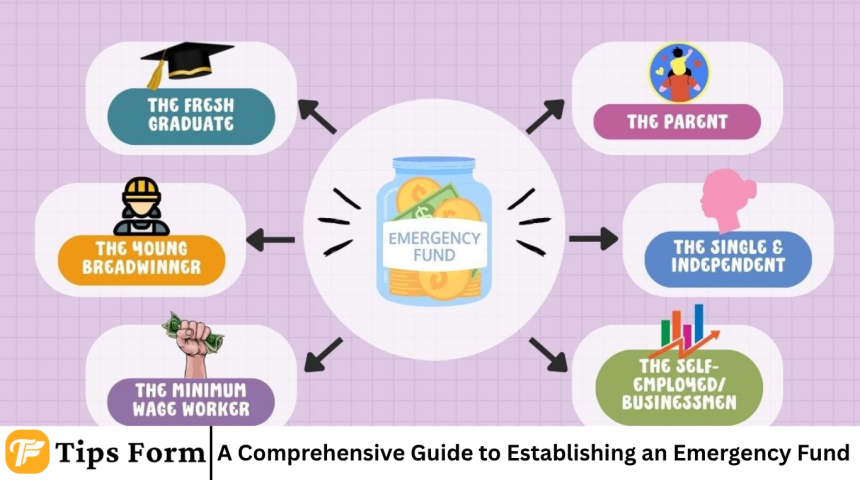
In today’s unpredictable world, financial stability is more important than ever. Job loss, medical emergencies, car repairs, and unexpected travel can strike at any time, leaving you vulnerable without a plan. That’s where an emergency fund comes in. An emergency fund is a financial safety net designed to cover unexpected expenses without derailing your long-term financial goals.
This comprehensive guide walks you through the steps to build an emergency fund from scratch, the benefits of having one, how much you should save, and where to keep it. Whether you’re just starting your financial journey or looking to strengthen your current strategy, this guide has everything you need.
More Read: 21 Smart Budgeting Tips to Boost Your Finances in 2025
What Is an Emergency Fund?
An emergency fund is a stash of money set aside to cover financial surprises. These could include:
- Medical bills
- Unexpected home or car repairs
- Sudden unemployment
- Emergency travel expenses
- Urgent pet care
The purpose of an emergency fund is to provide peace of mind. It helps you avoid taking on high-interest debt, like credit cards or payday loans, when an emergency strikes.
Unlike investments or retirement accounts, emergency funds need to be liquid and accessible—not tied up in volatile or illiquid assets.
Why You Need an Emergency Fund
Here’s why having an emergency fund is crucial:
Reduces Stress
Financial emergencies are inherently stressful. Knowing you have a cushion softens the emotional impact and allows you to make clear-headed decisions.
Prevents Debt
Without a savings buffer, many people turn to credit cards or personal loans to cover emergencies, which can lead to long-term debt and high interest.
Improves Financial Stability
A well-funded emergency reserve can prevent you from dipping into long-term savings or investments, keeping your overall financial plan on track.
Supports Job Transitions
Losing a job or needing to take unpaid leave is hard enough without financial pressure. An emergency fund can cover your living expenses while you look for a new position.
How Much Should You Save?
The amount you need in an emergency fund depends on your personal circumstances, including:
- Monthly expenses
- Job stability
- Health considerations
- Dependents
General Guidelines:
- Minimum: $1,000 – A starter fund to cover small emergencies.
- Standard: 3–6 months of living expenses.
- High-Risk Situations: 9–12 months, especially for freelancers, business owners, or single-income households.
Example:
If your monthly expenses are $3,000, a 6-month emergency fund would be $18,000.
Step-by-Step Plan to Build an Emergency Fund
Building an emergency fund doesn’t happen overnight. Follow this step-by-step strategy:
Set a Realistic Goal
Start with a target amount—say $1,000 for a mini fund, then build to 3–6 months of expenses. Define your milestones clearly.
Track Your Expenses
Understand where your money is going. Use budgeting apps or spreadsheets to identify areas where you can cut back.
Automate Your Savings
Set up automatic transfers from your checking account to a dedicated savings account. Even $25 per week adds up over time.
Prioritize High-Interest Debt (if applicable)
If you have high-interest debt, you may choose to build a smaller emergency fund first (e.g., $1,000) while tackling your debt, then return to full funding.
Funnel Extra Cash into Savings
Use windfalls like tax refunds, bonuses, or side hustle income to speed up your savings process.
Avoid Temptation
Keep your emergency fund in a separate account (ideally at a different bank) to reduce the temptation to spend it on non-emergencies.
Where to Keep Your Emergency Fund
Your emergency fund should be liquid, safe, and accessible. Here are your best options:
High-Yield Savings Account
- Interest-bearing
- FDIC insured
- Quick access
- Ideal for short-term and long-term storage
Money Market Account
- Slightly higher interest
- May have check-writing privileges
- Also FDIC insured
Cash or Prepaid Card (for very small amounts)
- Immediate access
- Limited in scope
- Best only for temporary or partial emergency funds
Avoid investing your emergency fund in the stock market or tying it up in CDs with long lock-in periods.
How to Rebuild After Using It
If you need to dip into your emergency fund, don’t panic. That’s what it’s there for.
After using it:
Review the expense – Was it a true emergency?
Adjust your budget – Temporarily increase savings allocations.
Set a deadline – Aim to replenish the fund within a set period (e.g., 3–6 months).
Analyze and Learn – Could the emergency have been prevented or mitigated?
Common Mistakes to Avoid
Here are some pitfalls to watch out for:
Using It for Non-Emergencies
Vacations, weddings, or shopping sprees don’t count. Stick to truly urgent and necessary expenses.
Not Saving Enough
Many people underestimate what an emergency really costs. Start small, but aim high.
Keeping It in Cash
Cash at home is vulnerable to theft, loss, or inflation. Use a bank.
Not Replenishing After Use
After an emergency, it’s easy to forget to rebuild your fund. Don’t leave yourself vulnerable again.
Emergency Fund vs. Other Savings Goals
It’s important to distinguish between your emergency fund and other types of savings.
| Savings Type | Purpose | Accessibility |
|---|---|---|
| Emergency Fund | Unplanned emergencies | Immediate |
| Retirement Fund | Long-term future | Restricted |
| Vacation Fund | Planned travel | Flexible |
| Down Payment Fund | Big purchases (e.g., home) | Moderate |
Label your accounts and keep them separate to stay on track.
Building a Fund on a Low Income
Think you can’t save on a tight budget? Think again.
Try these strategies:
- Round-up apps (save spare change)
- $5 savings challenge
- Sell unused items
- Cut subscriptions or discretionary spending
- Use cash-back rewards and rebates
Consistency is key. Even small amounts saved regularly build financial momentum.
Emergency Funds for Couples and Families
When managing finances as a couple or family, communication is vital.
Best Practices:
- Agree on the definition of “emergency”
- Set shared savings goals
- Use joint or individual accounts as preferred
- Regularly review and adjust the fund as your family grows
Frequently Asked Questions
What qualifies as a true emergency?
A true emergency is an unexpected, necessary, and urgent expense—like a job loss, medical bill, or car repair needed for work. Non-essentials like a new phone or vacation do not qualify.
Can I invest my emergency fund?
Generally, no. Your emergency fund should be kept in a high-yield savings or money market account to ensure liquidity and safety. Investments are too volatile for this purpose.
How long does it take to build an emergency fund?
It depends on your income and savings rate. With a consistent plan, many people can build a starter fund in 3–6 months and a full 3–6 month reserve in 1–2 years.
Should I pay off debt or save for emergencies first?
Start with a small emergency fund (e.g., $500–$1,000), then focus on high-interest debt. Once that’s under control, return to fully funding your emergency reserve.
Is $1,000 enough for an emergency fund?
It’s a good start, especially if you have high-interest debt. But in the long term, aim for 3–6 months of living expenses.
Where should I open my emergency fund account?
Choose a bank or credit union offering a high-yield savings account with no or low fees and FDIC or NCUA insurance. Online banks often offer better interest rates.
What if I can’t save regularly?
Do what you can, even if it’s $5 a week. Look for creative ways to boost savings, like selling unused items, reducing discretionary spending, or using apps that automate micro-savings.
Conclusion
An emergency fund is a cornerstone of financial health. It provides a cushion against life’s inevitable surprises and empowers you to navigate them without derailing your future.Whether you’re just starting or rebuilding after a setback, the key is to start now and stay consistent. With each deposit, you’re buying peace of mind, resilience, and freedom.